
For Appointment: Raiya Circle: 8905150606 8460044502 Mavdi: 7575887500 9924047400
When a doctor suggests "surgery," it is completely natural to feel a bit anxious. However, modern medical science has advanced incredibly. Today, most complex gynecological surgeries do not require large, painful incisions on your abdomen.
Instead, we use a revolutionary technique called Gynecological Laparoscopy often referred to as keyhole surgery.
Below, Dr. Amit Akbari, leading Consulting Obstetrician, Gynecologist, and Specialist in Advanced Laparoscopic Surgery at Payal Maternity Home and Surgical Hospital, Rajkot, breaks down everything you need to know about this safe, minimally invasive procedure.
1. What is Gynecological Laparoscopy?
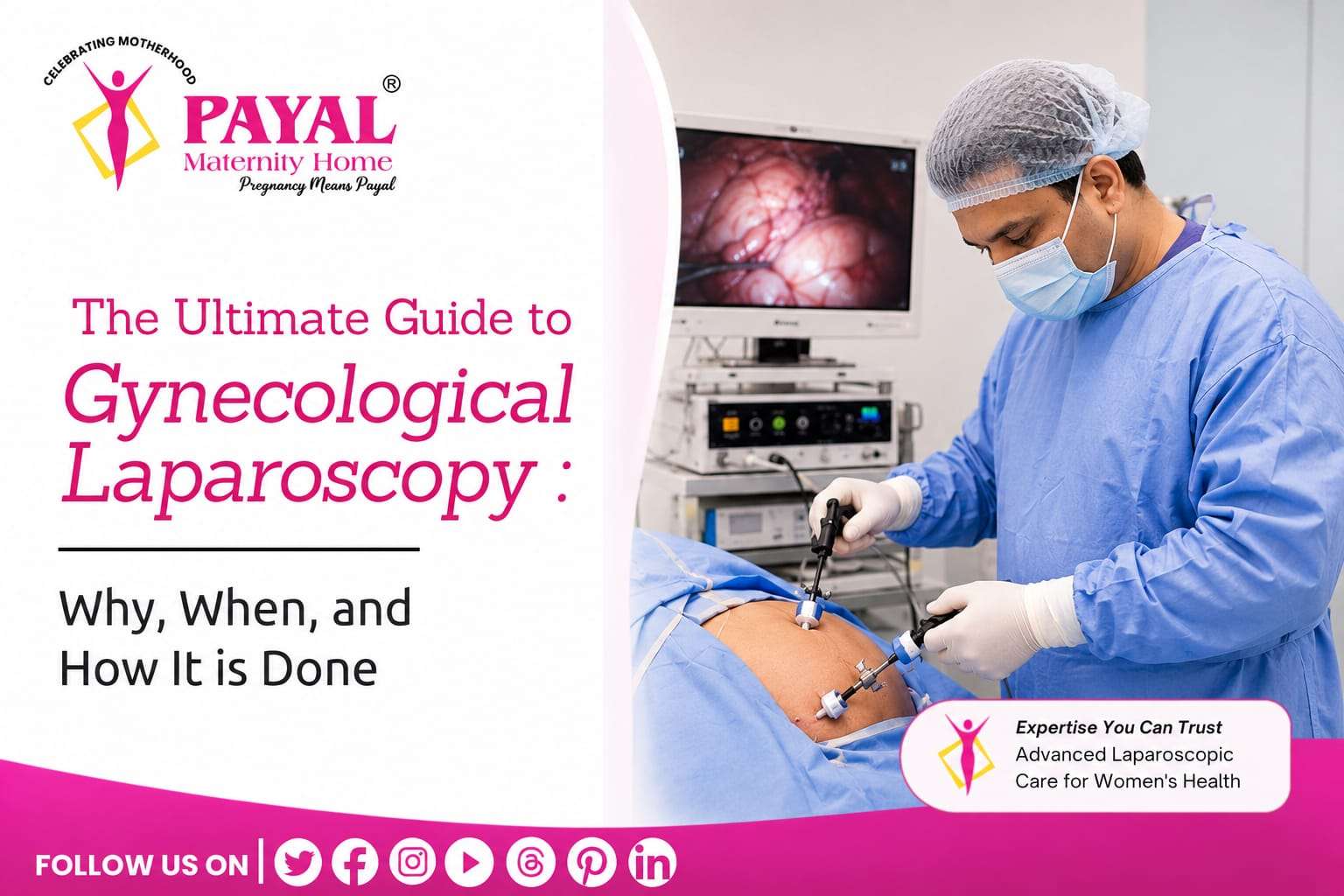
A gynecological laparoscopy is a modern, minimally invasive surgical procedure that allows a specialist to look inside your pelvic and abdominal region.
Instead of making a large, open cut, the surgeon makes one to three tiny incisions (usually only 0.5 to 1 cm wide) near your belly button. A thin tube equipped with a high-definition camera and light called a laparoscope is inserted through the incision. This transmits real-time, magnified images of your uterus, ovaries, and fallopian tubes onto a monitor in the operating room, allowing the surgeon to operate with extreme precision.
2. Why and When Do Patients Need a Gynec Laparoscopy?
Laparoscopy is an incredibly versatile tool. It is used for two primary reasons: Diagnosis (finding out what is wrong) and Treatment (fixing the problem).
Your gynecologist may recommend a laparoscopy if you are experiencing:
Unexplained Pelvic Pain: Ongoing pelvic pain that cannot be diagnosed with an ultrasound or MRI.
Infertility Evaluation: To check if there are physical blocks in your fallopian tubes, or to look for conditions like endometriosis that might be preventing pregnancy.
Ovarian Cysts or Fibroids: To safely remove non-cancerous growths (fibroids) or fluid-filled sacs (cysts) from the ovaries or uterus while keeping the organs intact.
Endometriosis: A painful condition where tissue similar to the lining of your uterus grows outside of it. Laparoscopy is the gold standard to both diagnose and vaporize/remove this tissue.
Ectopic Pregnancy: A medical emergency where a fertilized egg implants outside the uterus (usually in a fallopian tube). Laparoscopy allows safe removal to protect the mother.
Hysterectomy (Womb Removal): When a uterus needs to be removed due to medical reasons, doing it laparoscopically means a fraction of the recovery time compared to traditional open surgery.
3. How Many Procedures of Gynec Laparoscopy Are There?
Gynecological laparoscopy can be broadly classified into two main categories based on the objective of the surgery:
A. Diagnostic Laparoscopy
This is purely an investigative procedure. If routine tests like ultrasounds do not give a clear picture of your pelvic pain or infertility, the doctor uses a laparoscope to look inside, check for scar tissue, adhesions, or blockages, and confirm a diagnosis. This is often a quick, day-care procedure.
B. Operative Laparoscopy
If a problem is found during diagnosis (or is already known), the surgeon inserts specialized, tiny surgical instruments through the other small keyholes to treat the condition. Common operative procedures include:
Laparoscopic Myomectomy: Removing uterine fibroids.
Laparoscopic Cystectomy: Removing ovarian cysts.
Laparoscopic Hysterectomy: Safely removing the uterus.
Adhesiolysis: Cutting away painful scar tissue sticking organs together.
Tubal Patency Test & Recanalization: Checking or repairing blocked fallopian tubes for infertility management.
Why Choose Laparoscopy Over Open Surgery?
Compared to traditional open surgery, keyhole surgery offers massive advantages for patients:
Looking for the Best Laparoscopic Surgeon in Rajkot?
At Payal Maternity Home and Surgical Hospital, Rajkot, we understand that every woman's health journey is unique. Led by Dr. Amit Akbari, a trusted specialist in Advanced Laparoscopic Surgery, High-Risk Pregnancy, and Infertility Management, our hospital is equipped with state-of-the-art diagnostic and surgical technology to ensure you receive the safest, most comfortable, and highly precise care.
Have questions about an upcoming procedure, pelvic pain, or fertility struggles?
Book a detailed consultation with Dr. Amit Akbari today at Payal Maternity Home, Rajkot, and take a step toward a healthier, pain-free life.
Frequently Asked Questions (FAQs) About Gynec Laparoscopy
To help ease your mind, here are the answers to the most common questions patients ask Dr. Amit Akbari at our Rajkot clinic before their procedure:
Q1. What kind of anesthesia is used for gynecologicallaparoscopy?
A gynecological laparoscopy is almost always performed under general anesthesia. This means you will be completely asleep and will not feel any pain or discomfort during the surgery. Our dedicated anesthesiology team monitors your vital signs throughout the entire process to ensure you are safe and comfortable.
Q2. How long is the recovery time after keyhole surgery?
Because the incisions are so small, recovery is incredibly fast compared to traditional surgery:
The first 24 hours: You might feel a bit drowsy from the anesthesia and experience mild shoulder pain (this is normal and is caused by the carbon dioxide gas used to inflate your abdomen during the procedure; it walks away on its own within a day or two).
First week: Most patients are able to walk around and do light activities within 2 to 3 days.
Full recovery: You can typically return to work and resume your normal daily routine within 1 to 2 weeks, depending on whether your laparoscopy was diagnostic or involved a major procedure like a hysterectomy.
Q3. What does post-surgery care involve at home?
Caring for yourself after a laparoscopy is simple but essential for smooth healing:
Wound Care: Keep the small incision sites clean and dry. Your medical team will guide you on when to safely shower or remove the dressings.
Activity: Gentle walking around the house is highly encouraged as it improves blood circulation and helps relieve gas pain. Avoid lifting heavy weights, running, or intense workouts for at least 2 to 3 weeks.
Diet: Start with light, easily digestible meals (like khichdi or soups) on the first day, and slowly transition back to your normal diet. Drink plenty of water and eat high-fiber foods to prevent constipation.
Medication: Take the prescribed pain relievers and antibiotics exactly as directed by Dr. Amit Akbari to prevent infection and manage mild discomfort.
Q4. When should I contact the doctor immediately after surgery?
While complications are extremely rare, you should contact Payal Maternity Home immediately if you experience a high fever, severe or worsening abdominal pain, persistent nausea/vomiting, or heavy vaginal bleeding.

Maternity Hospital in Rajkot, Payal Maternity Home...

Pregnancy Care in Rajkot, Maternity Care Rajkot, P...

Cervical Cancer Prevention, HPV Vaccine, HPV Vacci...

Raksha Bandhan, Women's Health, Women's ...

Raksha Bandhan, Women's Health, Women's ...
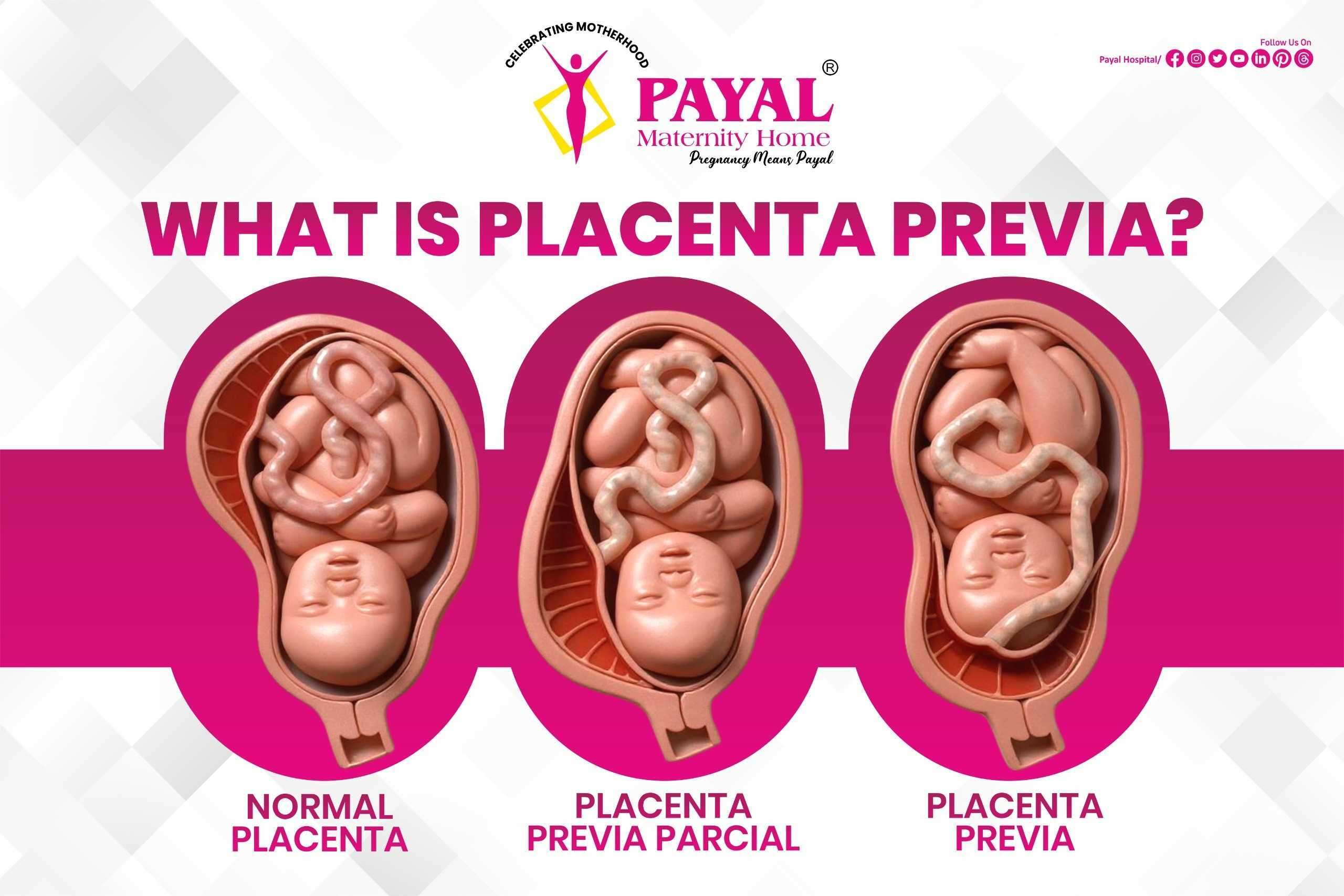
Learn about placenta previa, its symptoms, causes,...

Discover the scientific benefits of Garbh Sanskar ...

Learn how many ultrasound scans are typically done...

Ovary pain during pregnancy can signal issues like...

Payal Maternity Home Rajkot offers expert gynecolo...

Payal maternity has been catering to mothers and making their motherhood journeys beautiful. We hope to serve our clients in the best way possible in many other ways and create a safe heaven for all mothers under our wing.