For Appointment: Raiya Circle: 8905150606 8460044502 Mavdi: 7575887500 9924047400
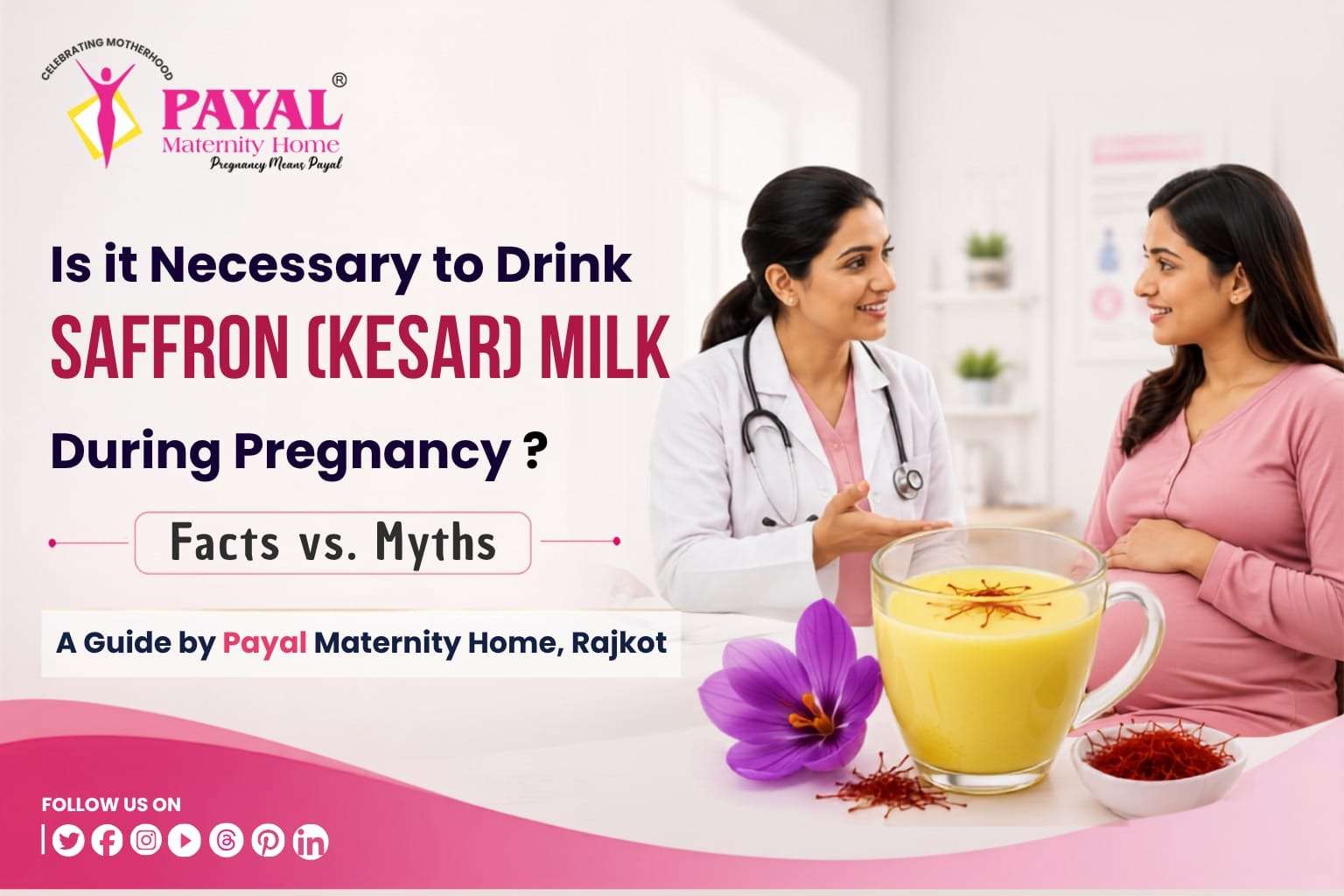
Pregnancy is a time when everyone around you from well-meaning relatives to internet forums starts giving dietary advice. Among the most common recommendations in Indian households is drinking Kesar Doodh (Saffron Milk) every single day.
Many expecting mothers ask our doctors at Payal Maternity Home in Rajkot: "Is it absolutely necessary to drink saffron milk for my baby's health or complexion?"
Let's look at the scientific facts behind saffron milk, its actual health benefits, and the medical guidelines every pregnant woman should follow.
The Big Myth: Does Saffron Milk Make the Baby Fairer?
Let’s address the most common belief first: No, drinking saffron milk does not alter or lighten your baby's skin color.
From a medical standpoint, a baby’s skin complexion is completely decided by genetics and the DNA inherited from the parents at the moment of conception. No specific food, herb, or beverage can change these genetic traits. At Payal Maternity Home, we always remind parents that a healthy, fully-matured baby is a beautiful baby, regardless of skin tone!
The Real Health Benefits of Saffron (In Moderation)
While it won't change complexion, saffron is a wonderful, therapeutic spice when used correctly. It is not "necessary," but it can offer great support during your pregnancy journey:
Mood Booster: Pregnancy hormones can cause sudden mood swings. Saffron acts as a mild, natural anti-depressant by boosting blood flow to the brain and producing serotonin (the "happy" hormone).
Aids Digestion: Many pregnant women suffer from bloating, gas, and constipation. Saffron helps coat the digestive tract, improving metabolism and soothing the stomach.
Combats Muscle Cramps: As your baby grows, your muscles stretch, leading to painful leg cramps. A warm glass of milk with a pinch of saffron acts as a natural muscle relaxant.
Improves Sleep Quality: Drinking a warm cup of Kesar milk before bedtime relaxes the nerves and can help fight pregnancy-induced insomnia.
Strict Medical Guidelines: How and When to Consume Kesar
Because saffron can cause uterine contractions if taken in large amounts, it must be consumed with care:
Wait for the Second Trimester: It is generally recommended to avoid saffron during the first trimester when the pregnancy is at its most delicate phase. Start consuming it after your fifth month of pregnancy.
Limit the Quantity: Use no more than 2 to 3 strands of pure saffron per day. High doses can trigger uterine activity or body heat, which should be strictly avoided.
Always Consult Your Doctor: If you have a history of high-risk pregnancy, early contractions, or any underlying medical condition, always check with your gynecologist before adding herbs like saffron to your diet.
Compassionate Maternity Care at Payal Maternity Home, Rajkot
At Payal Maternity Home & Surgical Hospital, we believe that proper nutrition combined with medical science paves the way for a smooth delivery. Serving families in Rajkot for over 25 years, our advanced centers are equipped with the latest maternal-fetal medicine tools, high-resolution sonography, and dedicated prenatal counseling.
Whether you need a personalized pregnancy diet plan or expert delivery care, our team of lady gynecologists is here to support you at every single step.
Have questions about your pregnancy diet or prenatal checkups? Visit us at our Mavdi or Raiya Road branches to get expert advice tailored entirely to your health.

Maternity Hospital in Rajkot, Payal Maternity Home...

Pregnancy Care in Rajkot, Maternity Care Rajkot, P...

Cervical Cancer Prevention, HPV Vaccine, HPV Vacci...
Raksha Bandhan, Women's Health, Women's ...
Raksha Bandhan, Women's Health, Women's ...
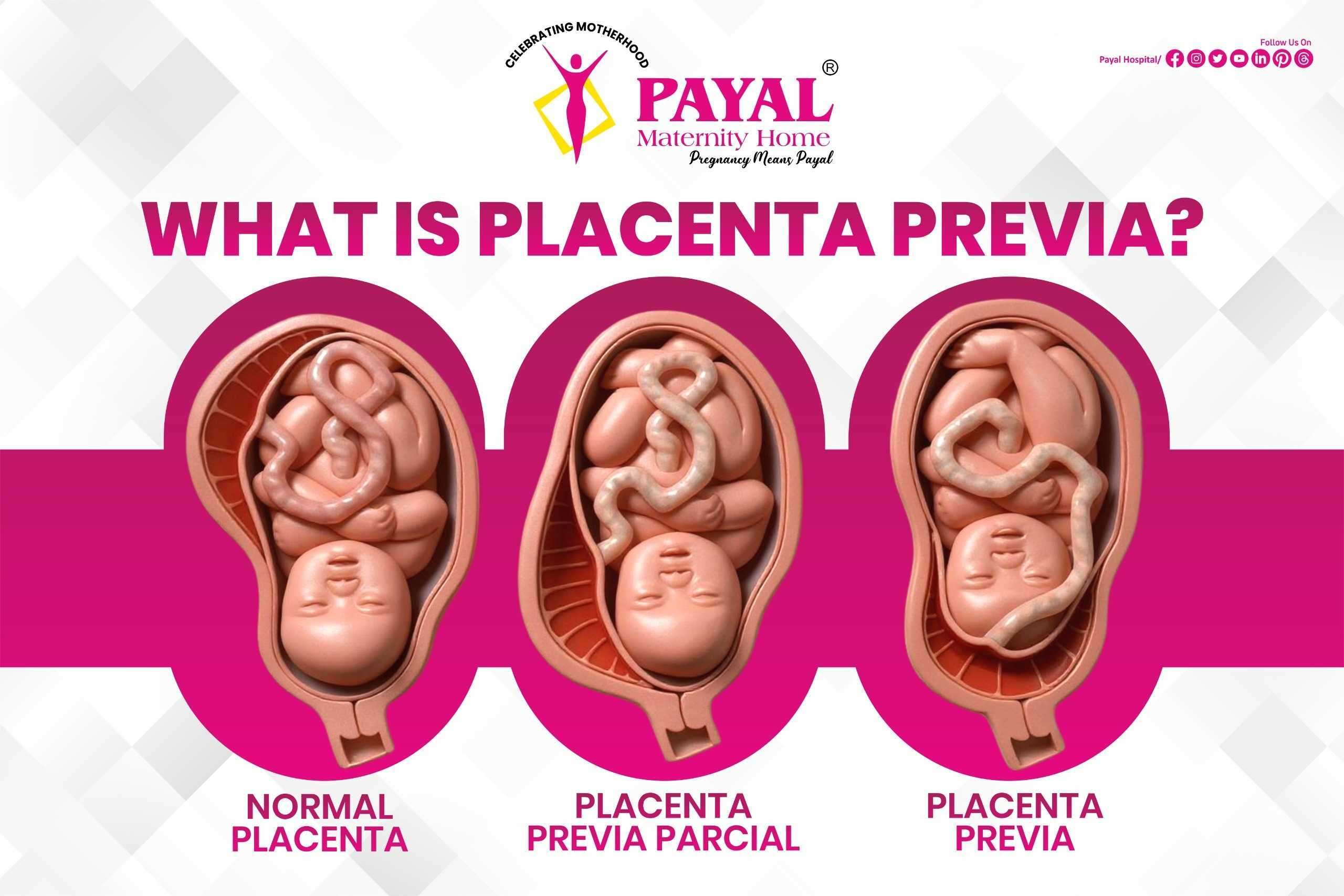
Learn about placenta previa, its symptoms, causes,...

Discover the scientific benefits of Garbh Sanskar ...

Learn how many ultrasound scans are typically done...
Ovary pain during pregnancy can signal issues like...

Payal Maternity Home Rajkot offers expert gynecolo...

Payal maternity has been catering to mothers and making their motherhood journeys beautiful. We hope to serve our clients in the best way possible in many other ways and create a safe heaven for all mothers under our wing.