For Appointment: Raiya Circle: 8905150606 8460044502 Mavdi: 7575887500 9924047400
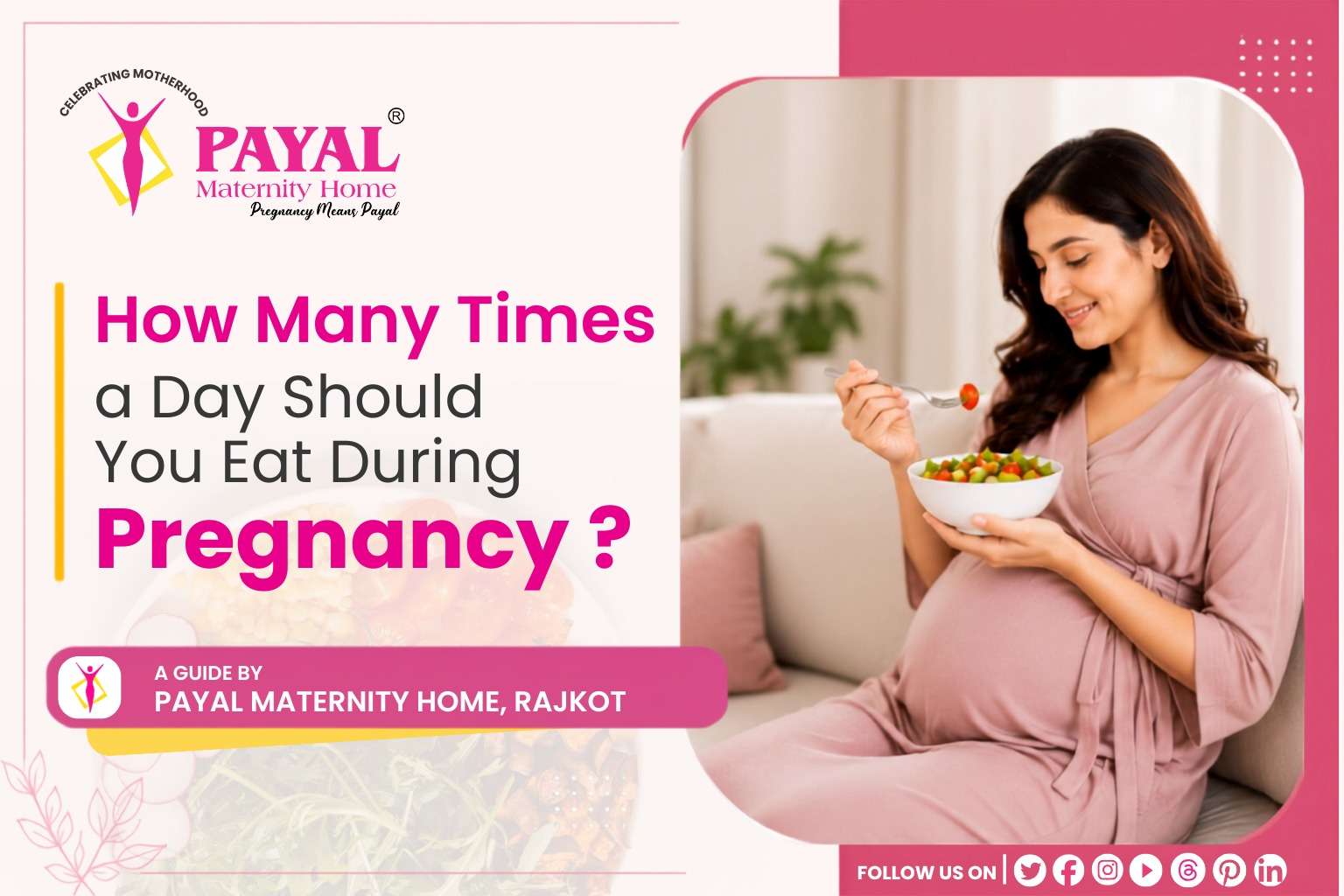
When you are pregnant, managing your diet isn't just about what you eat it is also about how often you eat. One of the most common questions our expectant mothers ask at Payal Maternity Home in Rajkot is: "Doctor, how many times a day should I be eating now that I am eating for two?"
The traditional three-large-meals-a-day schedule often doesn't work well for a changing maternal body. Let’s look at the ideal meal frequency recommended by medical science to keep you and your growing baby perfectly healthy.
The Ideal Schedule: 5 to 6 Mini-Meals a Day
Instead of eating three heavy meals, most gynecologists and prenatal nutritionists recommend shifting to a routine of 3 smaller main meals and 2 to 3 nutritious snacks spaced evenly throughout the day.
Breaking your daily food intake into 5 to 6 small, frequent meals offers massive benefits during your pregnancy journey:
Fights Morning Sickness: An empty stomach can trigger or worsen nausea and morning sickness, especially during the first trimester. Having small, frequent bites keeps your stomach settled.
Prevents Acid Reflux and Heartburn: As your baby grows, your expanding uterus presses against your stomach. Large meals can trigger severe acidity and heartburn. Smaller portions are much easier for your body to process.
Maintains Steady Blood Sugar: Eating smaller amounts at regular intervals prevents sudden drops or spikes in blood sugar, keeping your energy levels stable and lowering the risk of gestational diabetes.
Ensures a Constant Nutrient Supply: Your baby relies on a continuous supply of nutrition. Frequent healthy snacks ensure that your little one gets a steady stream of vital vitamins and minerals.
What a Sample Pregnancy Meal Routine Looks Like
To give you an idea of how to structure your day, here is a balanced approach recommended by our care team:
Early Morning (Upon Waking): A handful of soaked almonds and walnuts, or a glass of plain warm milk to prevent early morning nausea.
Breakfast: A nutrient-dense, traditional breakfast like vegetable poha, oats, or a stuffed dal paratha alongside a fresh fruit.
Mid-Morning Snack: A bowl of fresh curd (yogurt), a tender coconut water, or a seasonal fruit salad.
Lunch: A balanced plate containing whole-wheat rotis, a serving of green leafy vegetables, a bowl of dal or pulses, and fresh salad.
Evening Snack: Roasted makhana (foxnuts), a small bowl of boiled chana chat, or a glass of fresh buttermilk (chas).
Dinner: A lighter, easily digestible meal like khichdi with kadhi, vegetable daliya, or vegetable soup with paneer.
Advanced Maternity and Nutritional Care in Rajkot
Every mother's body is completely unique, and nutritional requirements change from the first trimester to the final weeks before delivery. Personalized guidance is the absolute key to a healthy pregnancy and a smooth postpartum recovery.
Serving families in Rajkot for over 25 years, Payal Maternity Home & Surgical Hospital offers world-class maternal care, high-resolution sonography, specialized fetal medicine, and dedicated prenatal counseling. Our team of expert gynecologists works closely with you to design dietary and healthcare roadmaps tailored precisely to your medical history.
Want to build the perfect pregnancy diet plan for your lifestyle? Visit our specialists at either our Mavdi or Raiya Road branches for expert, compassionate care.

Maternity Hospital in Rajkot, Payal Maternity Home...

Pregnancy Care in Rajkot, Maternity Care Rajkot, P...

Cervical Cancer Prevention, HPV Vaccine, HPV Vacci...
Raksha Bandhan, Women's Health, Women's ...
Raksha Bandhan, Women's Health, Women's ...
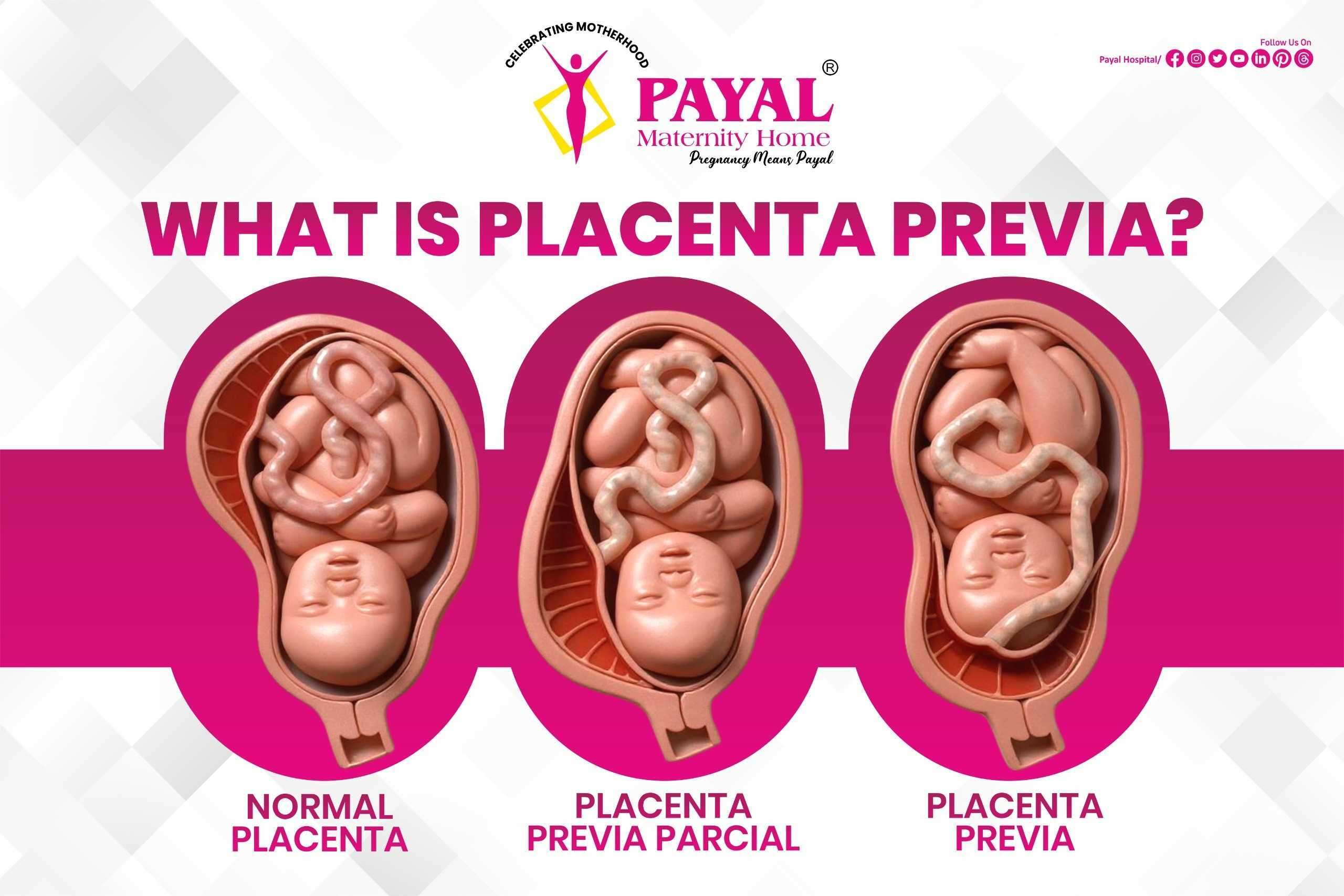
Learn about placenta previa, its symptoms, causes,...

Discover the scientific benefits of Garbh Sanskar ...
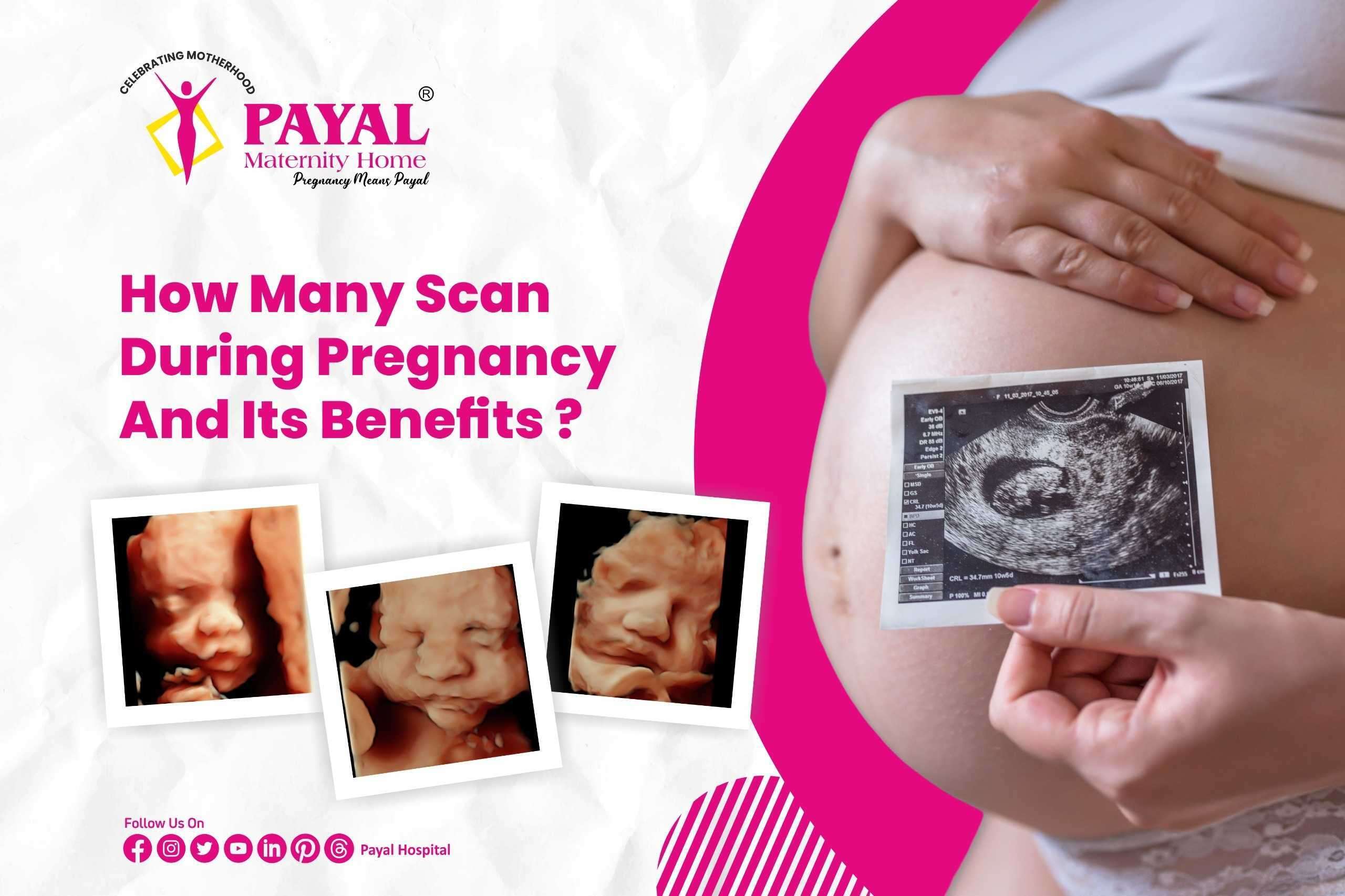
Learn how many ultrasound scans are typically done...
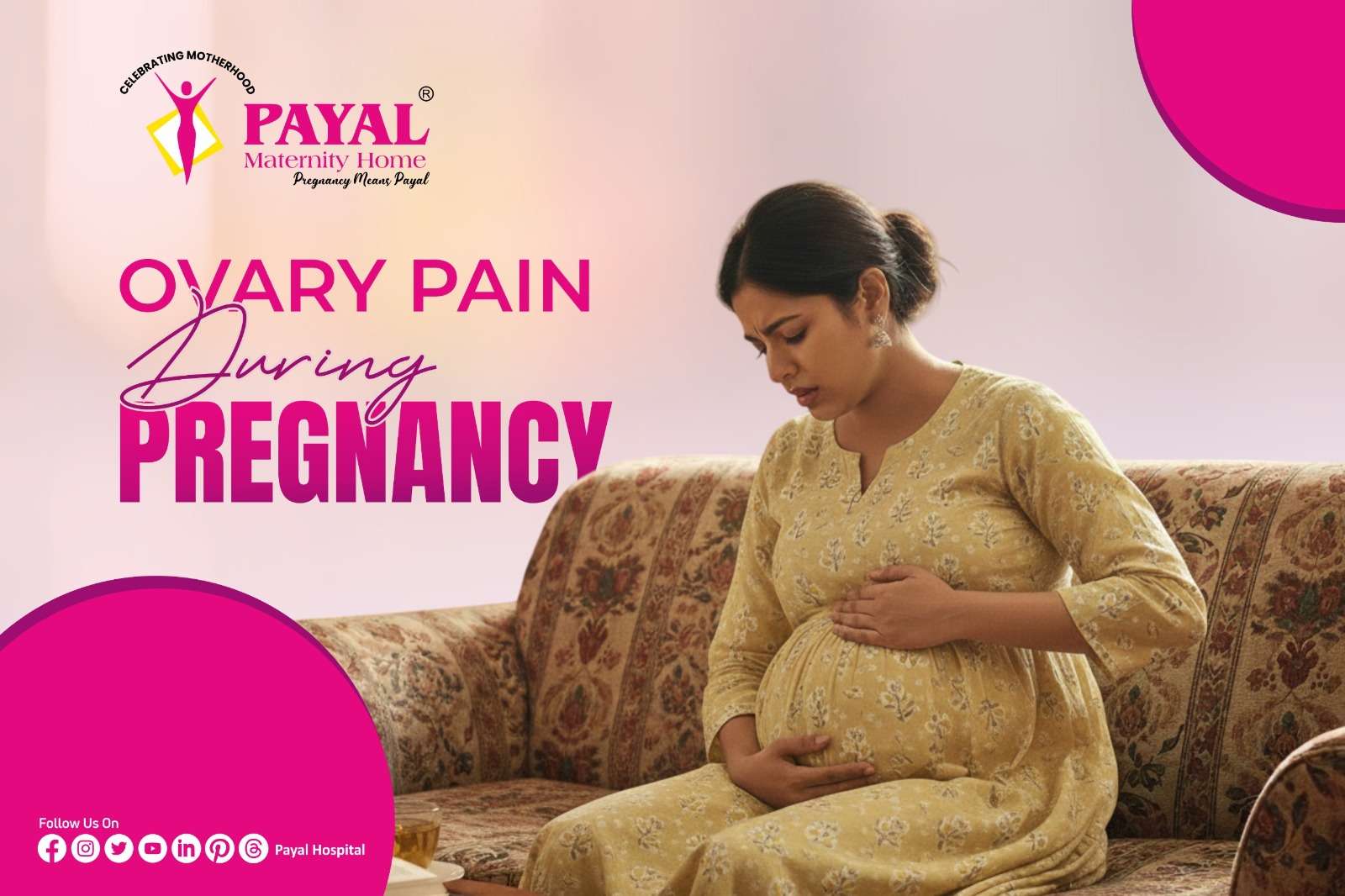
Ovary pain during pregnancy can signal issues like...

Payal Maternity Home Rajkot offers expert gynecolo...

Payal maternity has been catering to mothers and making their motherhood journeys beautiful. We hope to serve our clients in the best way possible in many other ways and create a safe heaven for all mothers under our wing.