For Appointment: Raiya Circle: 8905150606 8460044502 Mavdi: 7575887500 9924047400
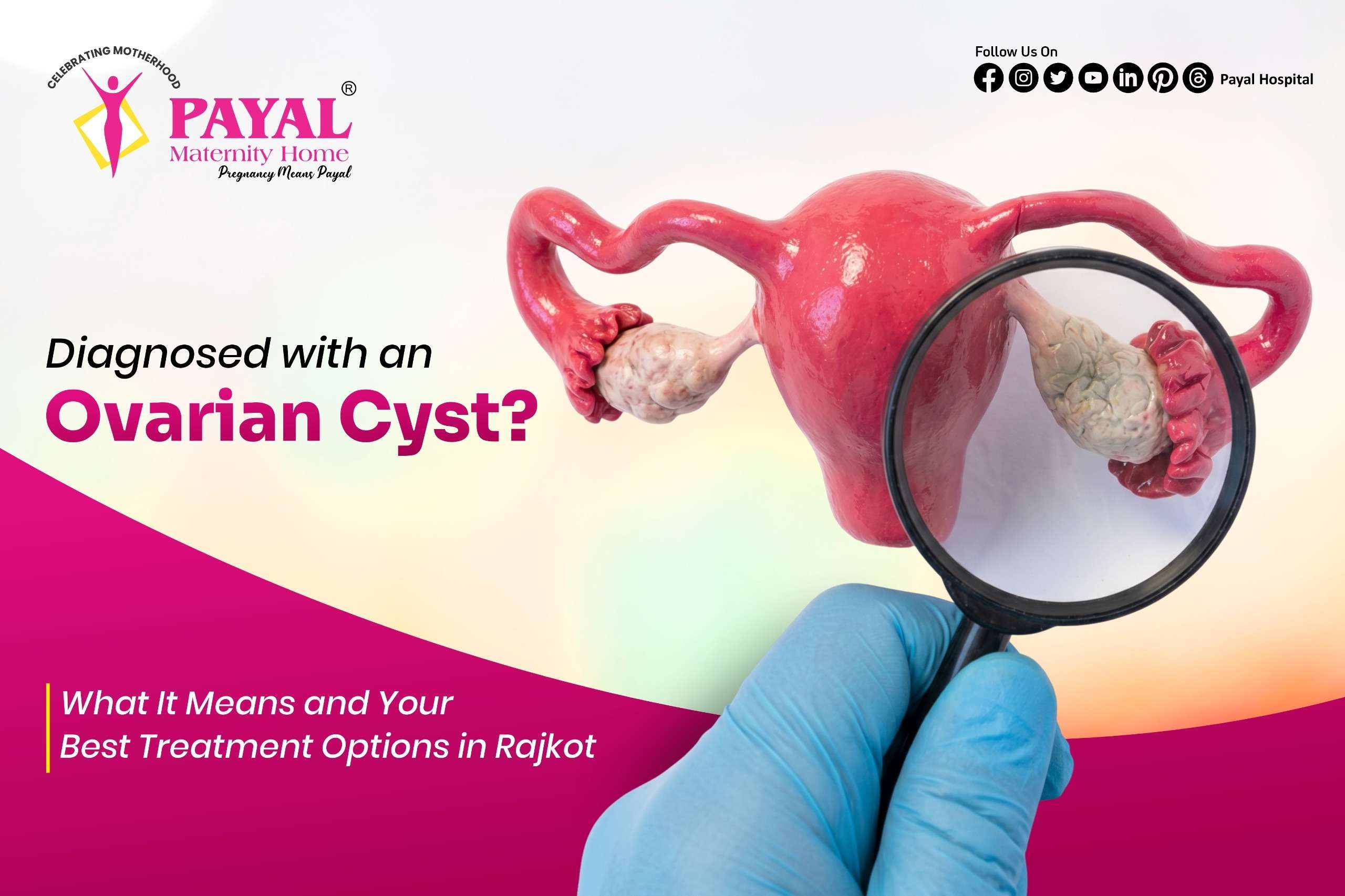
Finding out you have an ovarian cyst whether during a routine check-up or after an ultrasound to investigate pelvic pain can naturally bring up a lot of questions. Will it affect my fertility? Does it require major surgery? Will it go away on its own?
At Payal Maternity Home Rajkot, we want to reassure you: ovarian cysts are incredibly common, and in most cases, they are highly treatable.
Understanding the type of cyst you have and working with an experienced medical team can remove the anxiety from your diagnosis and put you on a clear path to recovery.
What Exactly is an Ovarian Cyst?
An ovarian cyst is simply a fluid-filled sac or pocket that develops on or inside one of your ovaries. Many women develop at least one cyst during their reproductive years. Most of these cysts develop naturally as a byproduct of your normal menstrual cycle and are entirely harmless.
However, cysts can vary significantly in size, contents, and cause. They generally fall into two main categories:
1. Functional Cysts (The Most Common Type)
Every month, your ovaries grow tiny sac-like structures called follicles, which produce hormones and release an egg during ovulation.
Follicular Cyst: If a follicle fails to rupture and release its egg, it can continue to fill with fluid and turn into a cyst.
Corpus Luteum Cyst: If the follicle successfully releases its egg but the empty sac seals shut and fluid accumulates inside it, a corpus luteum cyst forms.
Note: Functional cysts typically shrink and disappear on their own within 1 to 3 months without any medical intervention.
2. Pathological or Complex Cysts (Cysts that Require Monitoring or Treatment)
These cysts form due to abnormal cell growth or underlying gynecological conditions and do not vanish on their own:
Dermoid Cysts: Formed from embryonic cells, these can contain tissues like hair, skin, or teeth.
Endometriomas (Chocolate Cysts): Triggered by endometriosis, these develop when uterine-like tissue attaches to the ovary and forms a sac filled with dark, old menstrual blood.
Cystadenomas: Non-cancerous, fluid-filled growths that develop from cells covering the outer surface of the ovary. They can sometimes grow quite large.
Recognizing the Symptoms of an Ovarian Cyst
Many small ovarian cysts cause absolutely no symptoms. However, as a cyst grows, it can cause physical discomfort.
If you notice any of these signs, it is wise to consult a women's health specialist:
Dull Pelvic Ache: A persistent, heavy ache in the lower abdomen on the side of the cyst.
Abdominal Bloating: An unusual feeling of fullness, pressure, or swelling in your lower belly.
Pain During Intercourse: Deep pelvic discomfort during or immediately after intimacy.
Changes in Your Cycle: Irregular, unusually heavy, or unexpectedly painful periods.
Urinary Urgency: A large cyst can press directly against your bladder, making you feel the need to urinate more frequently.
How Ovarian Cysts Are Treated at Payal Maternity Home
At Payal Maternity Home, we believe in a balanced, root-cause approach. We don't believe in immediate surgery if a conservative path is safer, nor do we delay intervention if a complex cyst places your health at risk.
1. Advanced Ultrasound Mapping & Active Surveillance
For small, fluid-filled functional cysts, our primary approach is often "watchful waiting." We use high-resolution pelvic ultrasounds to track the cyst across 1 or 2 menstrual cycles to see if it resolves naturally on its own.
2. Specialized Medical Management
If you experience recurrent functional cysts, our gynecologists may prescribe targeted hormonal therapies (such as low-dose oral contraceptives) to regulate ovulation and prevent new cysts from developing.
3. Advanced Laparoscopic Cystectomy (Keyhole Surgery)
If a cyst is exceptionally large, causing severe pain, or diagnosed as a complex growth (like a chocolate cyst or dermoid cyst), surgical removal is the safest path forward.
Our surgical team specializes in Advanced Laparoscopic Cystectomy. Through tiny, near-invisible keyhole incisions, we safely isolate and remove only the cyst while carefully preserving the healthy surrounding ovarian tissue. This protects your ovarian reserve, minimizes post-operative downtime, and ensures a smooth, rapid recovery.
Why Trust Payal Maternity Home for Ovarian Care?
Your reproductive health deserves a clinical environment built on absolute precision and long-term safety. Families across Rajkot and Saurashtra trust Payal Maternity Home because of our patient-first standard of care:
Decades of Expert Guidance: Our senior medical panel—including trusted experts Dr. Sanjay Desai, Dr.Pratixa Desai, Dr. Amit Akbari, Dr. Pallavi Kalewad (Akbari)&Dr.GovindBhadarka—brings decades of collective experience in managing complex reproductive conditions and advanced pelvic surgeries.
State-of-the-Art Care: From high-resolution internal imaging to state-of-the-art modular operation theaters, we provide world-class healthcare right here in your city.
Two Fully Equipped Locations: For your convenience, we operate modern, fully functional hospitals near Raiya Circle (150 Feet Ring Road) and in Mavdi (Near Bapa Sitaram Chowk).
Take Action for Your Pelvic Well-being
If you have been diagnosed with an ovarian cyst, want a second opinion, or are experiencing unexplained pelvic pain, don't put off getting expert care.
Schedule a detailed consultation with one of our specialists at our nearest facility today.
Raiya Circle Branch: 8905150606 / 8460044502
Mavdi Branch: 7575887500 / 9924047400
Maternity Hospital in Rajkot, Payal Maternity Home...

Pregnancy Care in Rajkot, Maternity Care Rajkot, P...

Cervical Cancer Prevention, HPV Vaccine, HPV Vacci...

Raksha Bandhan, Women's Health, Women's ...

Raksha Bandhan, Women's Health, Women's ...
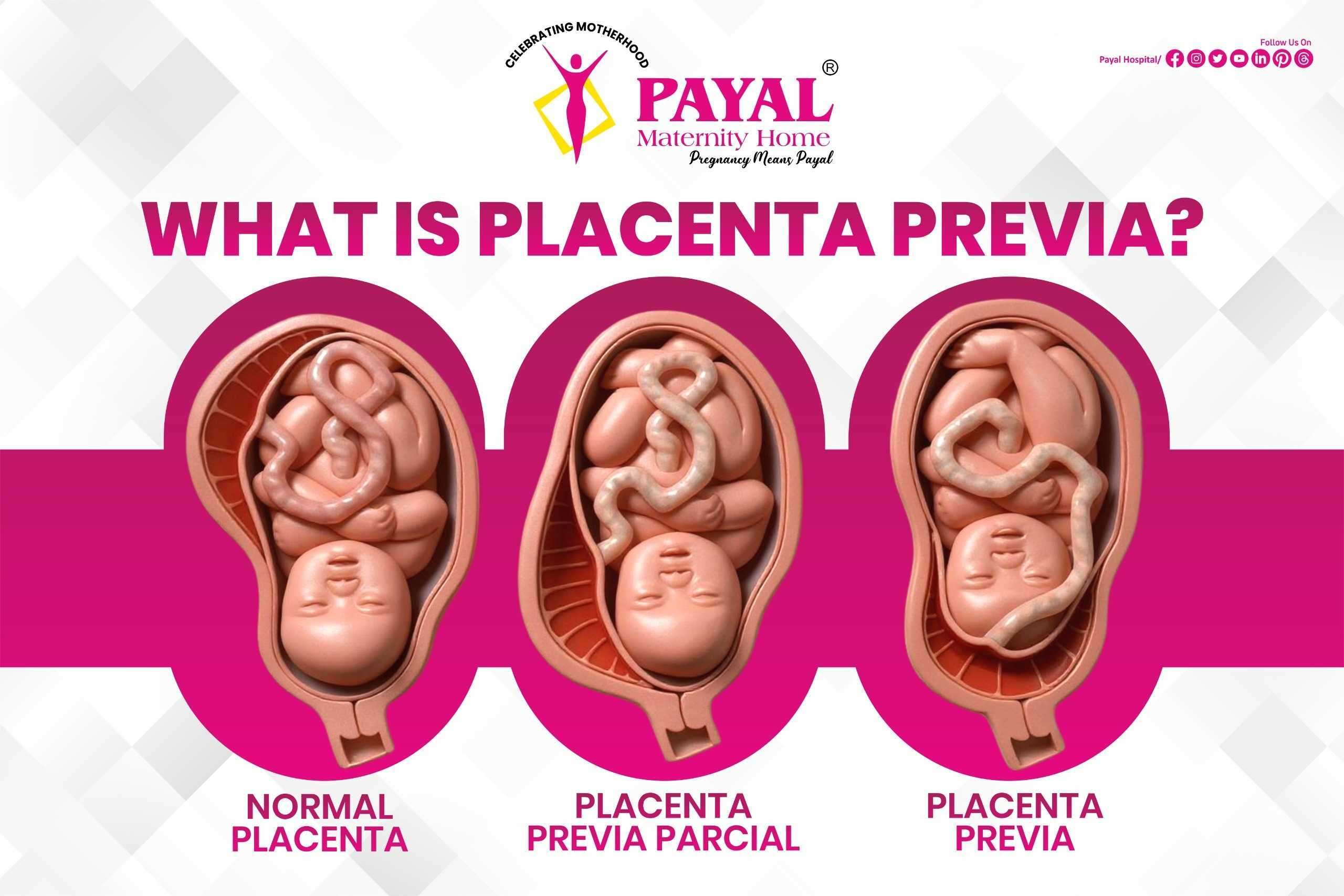
Learn about placenta previa, its symptoms, causes,...

Discover the scientific benefits of Garbh Sanskar ...
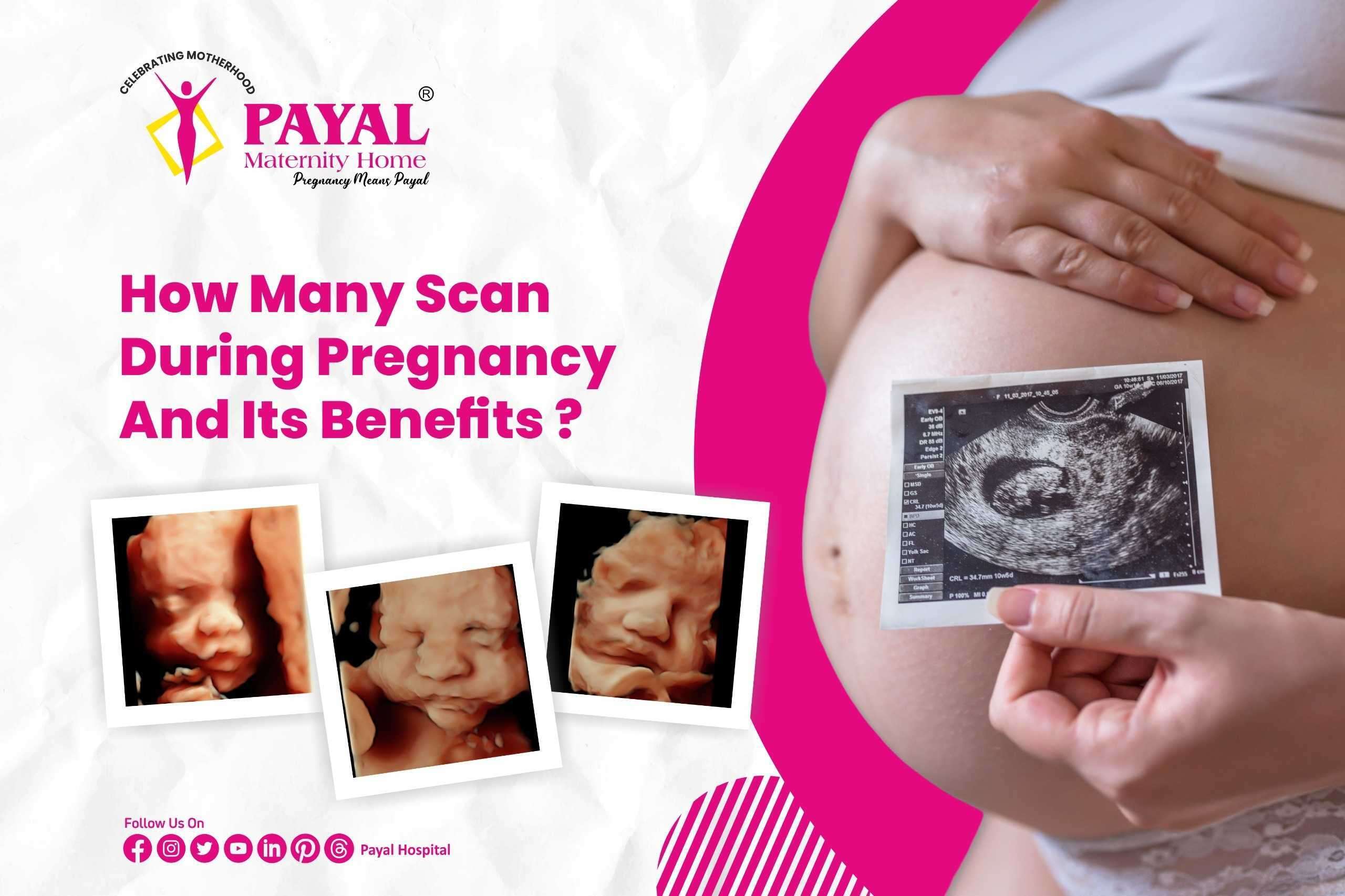
Learn how many ultrasound scans are typically done...
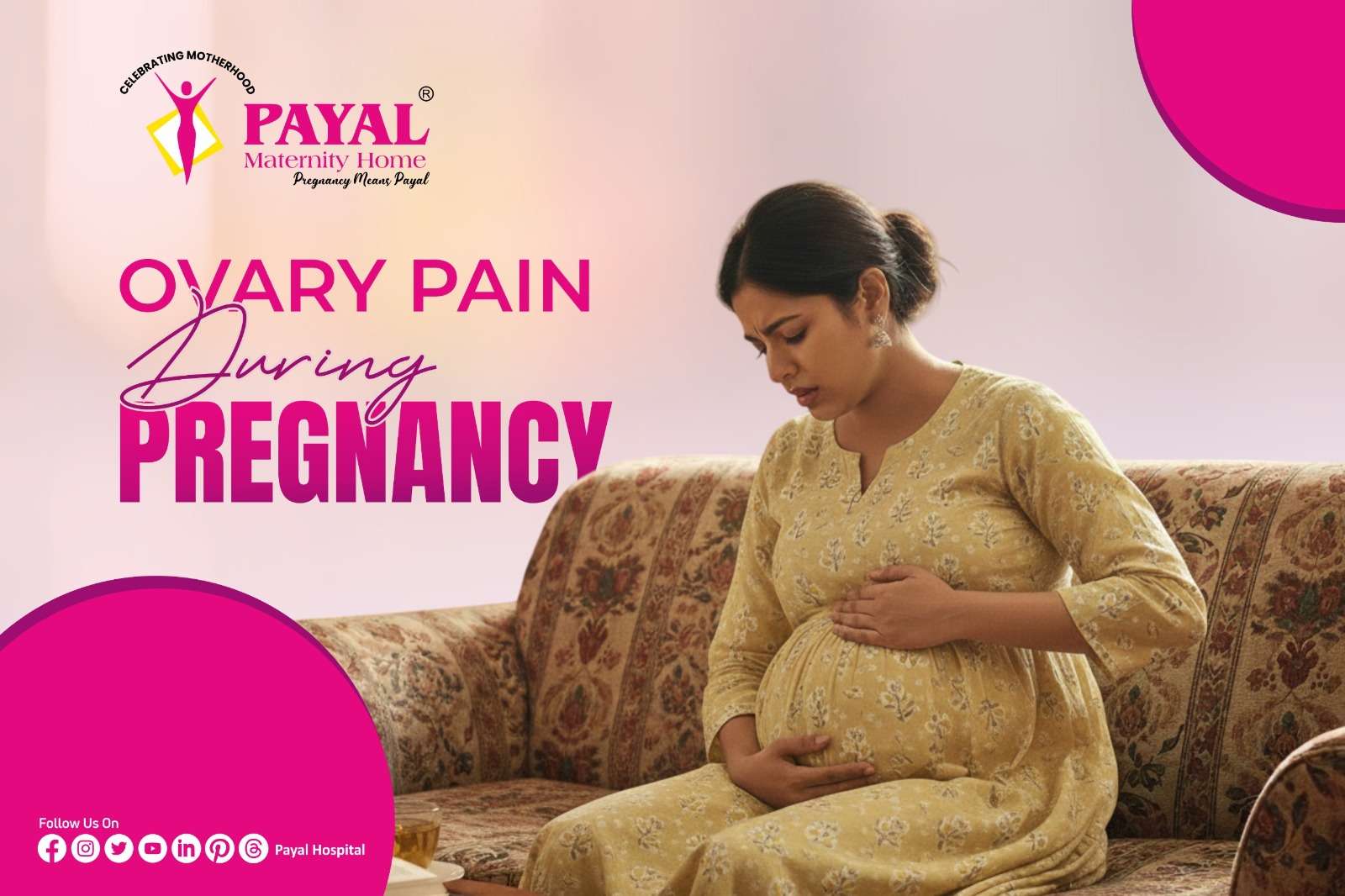
Ovary pain during pregnancy can signal issues like...

Payal Maternity Home Rajkot offers expert gynecolo...
Payal maternity has been catering to mothers and making their motherhood journeys beautiful. We hope to serve our clients in the best way possible in many other ways and create a safe heaven for all mothers under our wing.